Lake Kivu
Lake Kivu is not simply where a Rwanda itinerary pauses — kayaking, coffee, trail stages and lakeside rest.
Recommended: One night provides a pause. Two or three nights allow the lake to become a meaningful part of the journey.
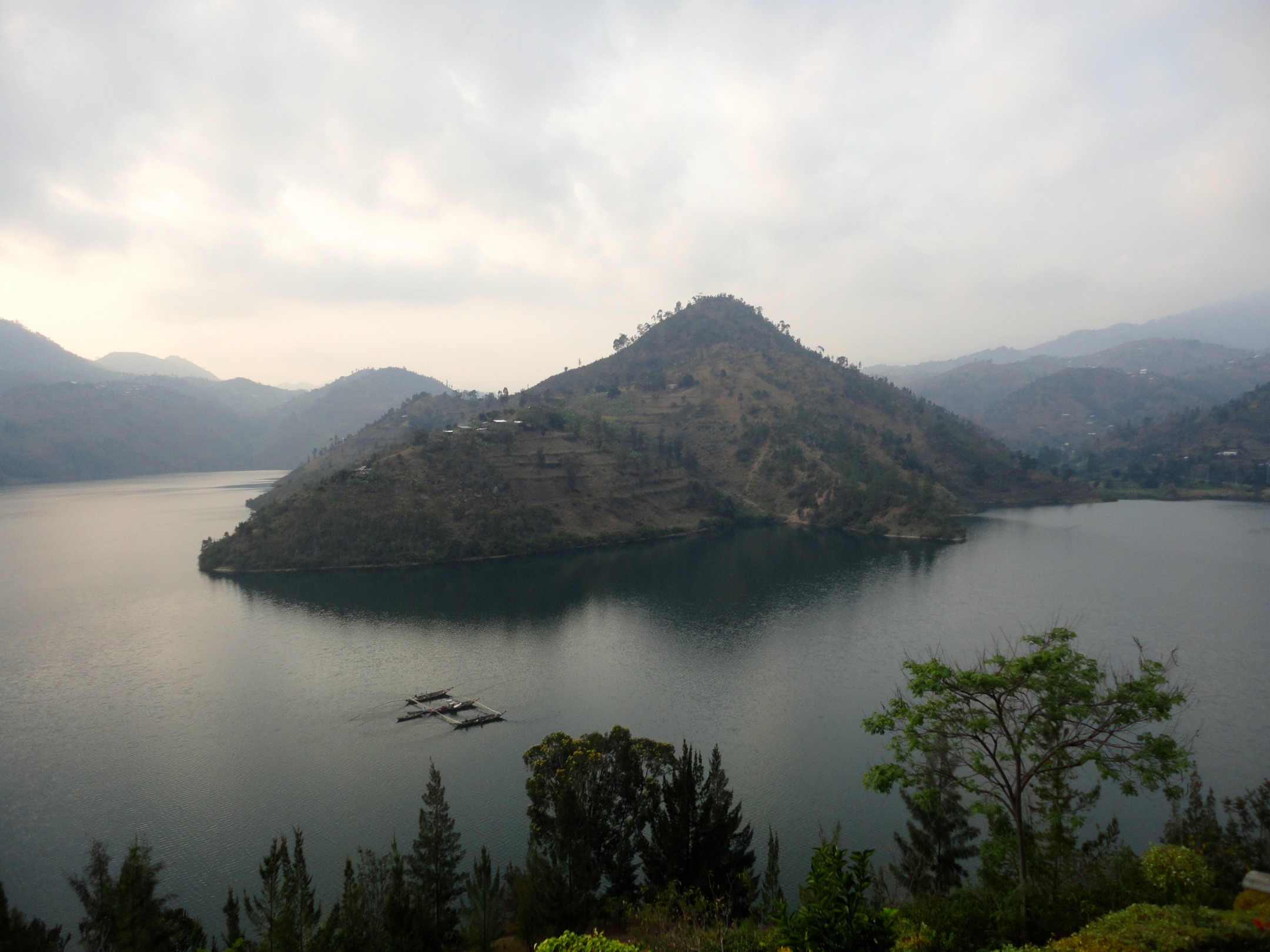
Lake Kivu is not simply where a Rwanda itinerary pauses. Along its eastern shore, steep cultivated hills descend toward islands, fishing communities, coffee country and a succession of towns with distinct personalities. Rubavu provides an easy transition from the Virunga highlands; Karongi offers sheltered water, islands and a slower rhythm; the Congo Nile Trail connects communities and landscapes farther south. Time here can be restful, but it can also be active—kayaking with a qualified guide, walking a trail stage, visiting a coffee producer or watching fishing crews move across the water near dusk.
The Destination
Lake Kivu forms much of Rwanda's western frontier. Its irregular shoreline creates bays, peninsulas and islands framed by high ground. The experience varies significantly depending on where travelers stay. Rubavu is the most convenient lakeside stop after Volcanoes National Park. Its waterfront, hotels and proximity to Musanze make it suitable for a short post-trek stay. Karongi has a more intimate island-and-inlet character and works well for boating, kayaking, coffee experiences and slower exploration. Farther south, the lake connects naturally with routes toward Nyungwe. The Congo Nile Trail follows the hills along the lake's eastern shore. Completing the entire route requires a serious commitment, but selected walking or cycling stages can introduce coffee-growing areas, villages, cultivated slopes and extensive lake views. Fishing is an important part of the lake's human landscape. Near dusk, crews may move out together in distinctive boats, sometimes singing as they coordinate their work. This should be interpreted as a living profession rather than staged scenery. Professionally managed kayaking and boating can offer rewarding ways to experience the shoreline. Swimming requires greater caution. Published health evidence has documented schistosomiasis exposure in parts of Lake Kivu, so the lake should not be described as universally bilharzia-free or safe for swimming. Travelers should follow current destination-specific health and operator advice.
What to Experience
- •Guided kayaking or boating
- •Island excursions
- •Coffee visits with verified producers
- •Selected Congo Nile Trail stages
- •Fishing-culture interpretation
- •Lakeside rest and sunsets
- •Birding along the shore
When to Go
Lake Kivu is accessible year-round. Drier periods may suit hiking and cycling, while boating and kayaking should always respond to daily weather and water conditions. Morning departures may offer calmer conditions for some activities.
How Long to Stay
One night provides a pause. Two or three nights allow the lake to become a meaningful part of the journey.
Local Guide Insight
Choose the town before choosing the hotel. Rubavu, Karongi and the southern lake serve different routes and travel styles.
How Inland Africa Safaris Adds Value
Inland Africa can select the appropriate base, coordinate qualified activity providers and connect the lake efficiently with Volcanoes or Nyungwe.
Related Experiences
Adventure Travel
Rwanda's compact geography makes it possible to build an active journey across very different environments.
Hiking
Hiking in Rwanda ranges from volcanic summits to rainforest trails and multi-day routes above Lake Kivu.
Cultural Experiences
Rwanda's culture cannot be reduced to a dance performance or a basket-making demonstration.
Family Travel
Rwanda can work very well for families, but the itinerary must be designed around the children's actual ages.
Luxury Travel
Luxury travel in Rwanda is strongest when privacy, time and coordination serve the destination.
Related Safari Ideas
7-Day Primates Delight
A seven-day primate adventure tracking mountain gorillas, golden monkeys and chimpanzees across Volcanoes National Park, Lake Kivu and Nyungwe National Park, with the opportunity to trek two different gorilla families.
9-Day Primates & Big Five Expedition
Nine days across Rwanda's wildest heart: mountain gorillas, golden monkeys, chimpanzees, canopy walks in Nyungwe, and a full Big Five safari in Akagera. An extraordinary odyssey from misty Virunga peaks to sunlit savannah.
Places to stay
Cormoran Lodge
Lakeside lodge on Lake Kivu with comfortable rooms and terraced gardens overlooking the lake.
Kivu Marina Bay Mantis Hotel
Modern hotel on Lake Kivu with marina access, comfortable rooms and conference facilities.
Last reviewed 2026-07-01.
Explore Our Safaris
Choose from journeys already designed by our team — tested routes, clear pricing, and ready to book or request.
View packagesLooking for Something Different?
Tell us how you want to travel and we'll design a journey around your interests, dates and travel style.
Design my safari